
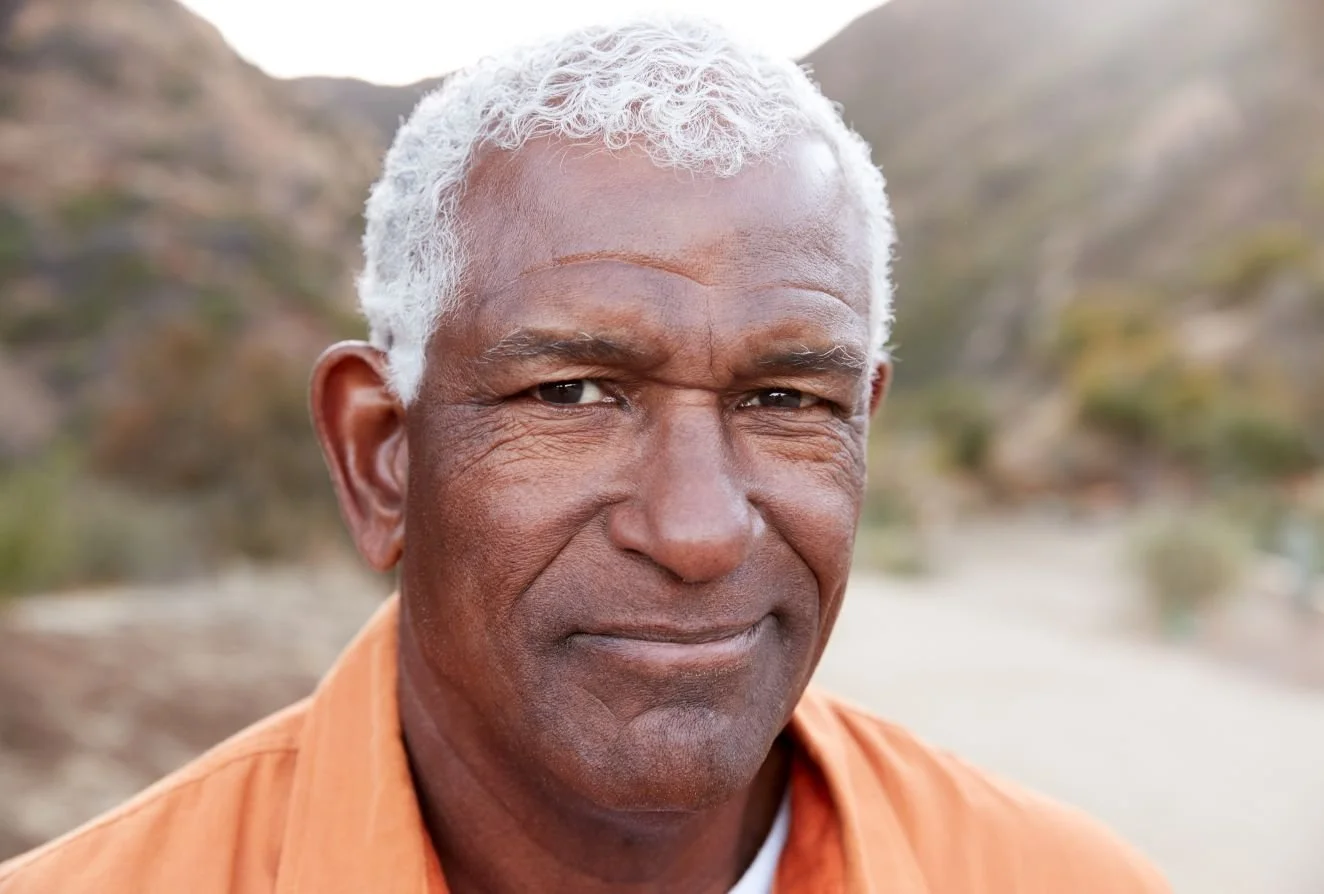
Many men carry stress, low mood, worry and grief for a long time before they tell anyone. That is not weakness, and it is not the whole story, because plenty of men do reach out when the door looks right. Psychological therapy may help, and your GP can prepare a Mental Health Treatment Plan to see if Medicare rebates apply.
Midlife and older age bring a lot at once. Work changes, family changes, health scares, a parent who needs care, a partner who dies, a friendship group that thins out.
Many men meet all of this with a quiet plan: get on with it, keep it private, sort it out alone. Sometimes that works. Sometimes it leaves a man carrying far more than he needs to.
This article is for men, for the people who care about them, and for GPs wondering what helps a man take the first step. It draws on recent Australian research, and it names the limits of each study as we go.
Men do ask for help, often through a different door
A common story says men simply refuse help. The evidence is more interesting than that.
In a survey of 2,009 Australian men who had already had counselling, 40% said they had decided to seek help themselves. Men aged 30 and over were more likely than men up to 29 to be self-motivated, or to have been prompted by a doctor or partner (Seidler et al., 2022).
A doctor was also the main route to a first therapist, at 49.3% (Seidler et al., 2022). For GPs, that is a useful reminder: the appointment you offer may be the door a man walks through.
There is a catch. Those men were recruited through Movember's Facebook page and had already tried counselling, so they do not represent all men (Seidler et al., 2022).
Among men aged 65 and over, the picture is different. Older men use mental health services at almost half the rate of older women (Bartholomaeus et al., 2023, as cited in Duthie et al., 2025).
What men say would make it easier
Researchers at the University of Melbourne asked 306 men aged 65 and over what sits behind their willingness to see a mental health professional. Four beliefs stood out: expecting to gain new solutions, to understand themselves better, to be listened to and supported, and having others encourage them (Duthie et al., 2025).
Quick appointments and clear referral pathways mattered too (Duthie et al., 2025). Approval from family carried more weight than approval from friends (Duthie et al., 2025).
In plain terms, many men want something practical, a person who listens, and a prompt start. That is a reasonable thing to ask of therapy.
This study measured intention, not what men did next, and it focused on men aged 65 and over (Duthie et al., 2025).
Midlife is not a quiet stretch
We often talk about men's mental health as a later-life issue. Midlife deserves attention too.
In Brisbane, researchers followed 2,902 men and 3,950 women aged 40 to 65 for seven years. Men living in more socially fragmented neighbourhoods, with more renters, lone-person households and people moving in and out, reported higher psychological distress (Learnihan et al., 2026).
The effect was small, about 0.6 of a point on a 24-point scale, and the result for women was not statistically significant (Learnihan et al., 2026). The authors suggest this may reflect gendered social experiences, but they did not test why (Learnihan et al., 2026).
Midlife stressors also show up in why men book. Men aged 30 and over were more likely than younger men to seek help for relationship, family and work problems, while younger men more often named anxiety or suicidal thoughts (Seidler et al., 2022). Never too early, never too late.
Alcohol often sits in the background. In a Melbourne cohort of 1,059 adults aged 50 to 70, 53.7% screened positive for potentially hazardous alcohol use. That cohort included women and men, and a screening tool is not a diagnosis (Laing et al., 2026).
Some gay men interviewed in British Columbia described using alcohol and other substances for relief during severe periods. They also described reaching a point where they recognised something had to change (Handlovsky et al., 2024).
Why so many men stay quiet
A recent Australian paper summarises research showing that ideals of self-reliance and stoicism can get in the way of men asking for help. It notes that older men may prize independence, and that rural men can be held back by ideas of hardiness (Duthie et al., 2025).
Rural life adds practical hurdles. In a small study of three men and one partner in rural Victoria and Tasmania, participants described long waits, long drives, and not wanting locals at the pharmacy or clinic to know their business. Telehealth eased some of that worry about the community finding out (Mutsvairo et al., 2024).
Informal support counted too. One man described a neighbour who helped with his tractor as the best psychologist he had had (Mutsvairo et al., 2024).
Partners often noticed first. One man said his wife pointing out what she saw helped him recognise that something was wrong (Mutsvairo et al., 2024).
With four participants, that study is a window into experience, not a measure of how common it is (Mutsvairo et al., 2024).
Connection matters, and so does what you do together
Loneliness is common among men who show up to community programs. In a survey of 377 men in the Man Walk, a national walking group, 54% reported moderate to high loneliness. Symptoms of anxiety were reported by 17.5% and symptoms of depression by 14.7% (Snowdon et al., 2026).
Men who had walked for three years or more had lower odds of depressive symptoms (OR = 0.30, 95% CI [0.09, 0.95]). The survey was cross-sectional, self-selected and had no comparison group, so it shows an association, not a cause. One author leads the organisation (Snowdon et al., 2026).
In 168 Men's Shed members in Western Australia, men who took part in a wider range of activities reported stronger identification with their Shed and more connection to other members. That was in turn linked with less loneliness, better wellbeing and fewer depressive symptoms. The model fit was marginal and the authors describe the findings as exploratory (Guerrini et al., 2026).
A 2026 narrative review describes a "health by stealth" approach, where support is built into doing things together rather than announced as therapy. It reports that Sheds should not be positioned as substitutes for formal mental health services (Sieusahai, 2026).
The review also found no included studies of gay, bisexual or transgender men in Sheds. Its author runs a Men's Shed and declares that as a possible source of bias (Sieusahai, 2026).
Trust and shared experience
Handlovsky and colleagues interviewed 26 gay men aged 51 to 81 in British Columbia, Canada. Many described a path that began with admitting something had to change. It continued through peers who shared similar experiences, and then through trusted people, including family and health professionals (Handlovsky et al., 2024).
Participants stressed that safety and trust mattered in health care, given past discrimination (Handlovsky et al., 2024). The sample was small, mostly white and Canadian, so it should be read as insight, not as a map for every man.
At Upside Stories, men of all identities, cultures and ages are welcome.
The oldest men, grief, and asking directly
Men aged 85 and over have the highest suicide rate of any age and gender group in Australia (King et al., 2022). That is hard to read. It is also a reason to notice and ask early.
A Victorian coronial study compared men aged 85 and over who died by suicide with men aged 65 to 84. The oldest men were less likely to have a recorded mental illness diagnosis or mental health treatment, and more likely to have lost a partner (King et al., 2022).
The numbers were small and there was no comparison group of living men, so these are signals, not conclusions (King et al., 2022).
Access is part of the picture. In 2021 to 2022, people aged 85 and over accessed Medicare-funded psychologists and clinical psychologists at a rate of 1%, compared with 14% and 12% for the whole population. The authors could not say why, and they call for national action (McKay et al., 2025).
Older men's difficulties may also be undercounted. In a Perth study of 38,173 men followed through hospital and related records, recorded depressive disorders rose from 0.9% at ages 65 to 69 to 12.6% at 85 and over. Recorded anxiety disorders rose from 0.1% to 6.9% (Almeida et al., 2023).
The authors argue national surveys may underestimate these problems. The records did not include general practice data (Almeida et al., 2023).
None of this means low mood and anxiety are simply part of getting older. It means they are worth asking about at any age.
Asking someone directly about suicide does not put the idea in their head. The authors of a recent Australian trial note that research shows asking is part of effective prevention (Morgan et al., 2025).
In that randomised trial in Men's Sheds (261 men analysed, average age 71.6), men offered a four-hour Conversations about Suicide course reported better intended supportive actions than the waitlist group at one and seven months. The trial measured intended helping actions, not suicide attempts or deaths (Morgan et al., 2025).
What helps, in plain terms
For men
Talk to one person. A partner, a mate, a neighbour, a GP. Encouragement from others was one of the strongest beliefs linked with intending to seek help (Duthie et al., 2025).
Do something alongside other people. Shared activity can make connection easier, and it can sit beside therapy rather than replace it (Guerrini et al., 2026; Sieusahai, 2026).
Ask your GP for a longer appointment. A doctor was the most common route to a first therapist in one Australian survey (Seidler et al., 2022).
Look for therapy that feels practical. Men said they wanted new solutions, a listening ear and better self-understanding (Duthie et al., 2025).
Consider Telehealth if distance or privacy is the barrier. Men in a small rural study described it as easing some worry about the community knowing (Mutsvairo et al., 2024).
For partners, family and friends
Say what you have noticed, kindly and without pressure. Partners and family can be the catalyst for a first step (Mutsvairo et al., 2024; Seidler et al., 2022).
If you are worried about suicide, ask directly (Morgan et al., 2025).
What to expect at Upside Stories
Sessions are by Telehealth, so you can join from home, a campervan or a quiet corner of the garden.
My approach is practical and strengths-based. Sessions are relaxed, with good questions and room to talk about anything.
Getting started
You do not need a referral to book with Upside Stories. Sessions are by Telehealth, so you can join from anywhere in Australia.
If you would like to use Medicare, ask your GP for a longer appointment about your mental health. Your GP can explore whether you're likely to benefit from structured psychological support and whether you have a diagnosed mental health condition, such as depression, anxiety, adjustment disorder, or trauma-related difficulties.
If your GP prepares a Mental Health Treatment Plan and refers you, Medicare rebates may apply for up to 10 individual sessions per calendar year (Australian Government Department of Health, Disability and Ageing, 2026). Private health fund rebates may also be available, so check with your fund.
A free 20-minute consultation is the easiest first step for new clients. It is a chance to meet me, describe what you are experiencing and see whether we are a good fit.
For GPs: we welcome referrals for your patients across midlife and older age, including younger adults facing age-related themes. Referral details can be found on our Referral Assistance page.
Frequently asked questions
Do men really avoid asking for help? Not all of them. In one Australian survey of men who had had counselling, 40% sought help on their own initiative (Seidler et al., 2022). Among men aged 65 and over, service use is lower than for older women (Bartholomaeus et al., 2023, as cited in Duthie et al., 2025).
Why is it harder for some men to talk about mental health? Ideals of self-reliance and stoicism can get in the way, and rural men may also face waits, travel and privacy worries (Duthie et al., 2025; Mutsvairo et al., 2024).
How would I know if something is wrong? Questionnaires such as the Kessler 6 ask about feeling nervous, hopeless, restless, worthless, or finding everything an effort (Learnihan et al., 2026). Some men show distress through outward behaviour rather than talk about feelings, which mood questionnaires can miss (Learnihan et al., 2026). A GP or clinical psychologist can help you work out what is going on.
Is loneliness a mental health issue? Loneliness and mental health are linked. Among Man Walk participants, emotional loneliness was associated with anxiety symptoms and social loneliness with depressive symptoms, though the study cannot show cause (Snowdon et al., 2026).
Do groups like Men's Sheds or walking groups help? They are associated with connection and better wellbeing, and they can sit beside therapy. The evidence is mostly cross-sectional or qualitative, and Sheds should not replace formal care (Guerrini et al., 2026; Sieusahai, 2026; Snowdon et al., 2026).
Is this relevant if I am in my 30s or 40s? Yes. Work pressure, relationship strain, caring for a parent and health scares can arrive early (Seidler et al., 2022). Never too early, never too late.
I am worried about my dad, partner or mate. What can I do? Say what you have noticed, listen, and encourage a first step such as a GP visit. If you are worried about suicide, ask directly (Duthie et al., 2025; Morgan et al., 2025).
Do I need a GP referral? No referral is needed to book. A GP referral with a Mental Health Treatment Plan is needed if you want to claim Medicare rebates.
How do I get a Mental Health Treatment Plan? Book a longer appointment with your GP and tell them how you have been feeling. Your GP will assess whether you are likely to benefit from structured psychological support and whether you have a diagnosed mental health condition.
Is Telehealth okay if I live in a regional or rural area? Telehealth let men in a small rural study access support without the worry of local people knowing (Mutsvairo et al., 2024). Sessions are by video, so you can join from anywhere in Australia you have internet coverage.
What the research tells us
Among Australian men who had had counselling, 40% said they decided to seek help themselves, and doctors were the most common route to a first therapist (Seidler et al., 2022).
Older men aged 65 and over say new solutions, being listened to, self-understanding and encouragement from others are central to seeking help (Duthie et al., 2025).
Men in more socially fragmented neighbourhoods in Brisbane reported slightly higher psychological distress, and the effect was small (Learnihan et al., 2026).
Just over half of a Melbourne cohort aged 50 to 70 screened positive for potentially hazardous alcohol use, and the cohort included women and men (Laing et al., 2026).
Rural men described waits, travel and privacy worries, and Telehealth eased some of them, in a very small study (Mutsvairo et al., 2024).
Over half of Man Walk participants reported moderate to high loneliness, and longer participation was associated with lower odds of depressive symptoms (Snowdon et al., 2026).
Greater variety of Men's Shed activities was linked with more connection, less loneliness and better wellbeing in an exploratory model (Guerrini et al., 2026).
Gay men interviewed in Canada stressed that safety and trust in health care mattered (Handlovsky et al., 2024).
People aged 85 and over accessed Medicare-funded psychologists and clinical psychologists at 1%, compared with 14% and 12% for the whole population (McKay et al., 2025).
Recorded depressive and anxiety disorders rose with age among Perth men, and national surveys may underestimate them (Almeida et al., 2023).
Asking directly about suicide is part of effective prevention, and a trial found a short course improved older men's intended supportive actions (Morgan et al., 2025).
A Victorian coronial study found the oldest men were less likely to have a recorded diagnosis or treatment and more likely to have lost a partner, based on small numbers (King et al., 2022).
Your story is still being written
A man who has carried things alone for years has already shown he can carry a lot. Sharing the load is another way of using that strength.
If any of this sounds familiar, explore your next chapter today.
Book now
References and reading
Almeida, O. P., Hankey, G. J., Yeap, B. B., Golledge, J., Etherton-Beer, C., Robinson, S., & Flicker, L. (2023). Prevalence of mental disorders among older Australians: Contrasting evidence from the 2020-2021 National Study of Mental Health and Wellbeing among men and women and the Health In Men Data Linkage Study. Australasian Psychiatry, 31(6), 818-823. https://doi.org/10.1177/10398562231191692
Australian Government Department of Health, Disability and Ageing. (2026, March). Better Access initiative: Health professionals fact sheet. https://www.health.gov.au/sites/default/files/2026-03/better-access-fact-sheet-professionals_0.pdf
Duthie, G., Xu, H., Morgan, A., & Reavley, N. (2025). Beliefs that explain mental health help-seeking intention among older men: A reasoned action approach. Health Promotion International, 40(5), Article daaf170. https://doi.org/10.1093/heapro/daaf170
Guerrini, B., Clarke, J. J., Haslam, S. A., Sharman, L. S., Holmes, K., Wild, J., Talbot, R., Ashley, J., & McEvoy, P. M. (2026). Social identification as a predictor of mental health and wellbeing: Could Men's Sheds be a potential "social cure" for older men? Health & Social Care in the Community, 2026, Article 5575511. https://doi.org/10.1155/hsc/5575511
Handlovsky, I., Wonsiak, T., Zakher, B., Ferlatte, O., Kia, H., & Oliffe, J. L. (2024). Older, gay men's navigation of mental health and substance use challenges: A qualitative exploration. SSM - Qualitative Research in Health, 6, Article 100484. https://doi.org/10.1016/j.ssmqr.2024.100484
King, K., Schlichthorst, M., Millar, C., Sutherland, G., & Too, L. S. (2022). Understanding the context of suicides by older men compared with younger old men and women: An exploration of coronial data in Victoria, Australia. Crisis, 43(1), 67-71. https://doi.org/10.1027/0227-5910/a000747
Laing, R., Xia, T., Lam, T., Dietze, P., Rowland, B., Andrew, N., Picco, L., & Nielsen, S. (2026). Psychosocial health and hazardous alcohol use among 50- to 70-year-olds: A cross-sectional latent profile analysis in south-east Melbourne, Australia. Addiction. Advance online publication. https://doi.org/10.1111/add.70603
Learnihan, V., Bagheri, N., & Turrell, G. (2026). The longitudinal association between living in socially fragmented neighbourhoods and psychological distress among middle aged adults in Brisbane, Australia. Journal of Affective Disorders, 401, Article 121318. https://doi.org/10.1016/j.jad.2026.121318
McKay, R., Morgan, S., Lawn, S., & McMahon, J. (2025). Trends in access to clinical mental healthcare by very old people in Australia since "Better Access" commenced in 2006. Australasian Psychiatry, 33(3), 469-474. https://doi.org/10.1177/10398562241290031
Morgan, A. J., Ross, A. M., Oostermeijer, S., Kelly, C. M., Nicholas, A., Pirkis, J., & Reavley, N. J. (2025). Suicide prevention training in older men: A cluster randomised controlled trial of the Conversations about Suicide course in Australian Men's Sheds. The Lancet Healthy Longevity, 6, Article 100741. https://doi.org/10.1016/j.lanhl.2025.100741
Mutsvairo, B., Terry, D., & Peck, B. (2024). "This bloke who helps me with my tractor, he's been the best psychologist": The experience of seeking mental health support in rural Australia. American Journal of Men's Health. [VOLUME/ISSUE TO CONFIRM], 1-11. https://doi.org/10.1177/15579883241249103
Seidler, Z. E., Wilson, M. J., Walton, C. C., Fisher, K., Oliffe, J. L., Kealy, D., Ogrodniczuk, J. S., & Rice, S. M. (2022). Australian men's initial pathways into mental health services. Health Promotion Journal of Australia, 33(2), 460-469. https://doi.org/10.1002/hpja.524
Sieusahai, J. K. (2026). The role of activity engagement, social connection, and masculinity norms in men's shed outcomes for male mental health: A narrative review. Frontiers in Public Health, 14, Article 1884564. https://doi.org/10.3389/fpubh.2026.1884564
Snowdon, N., Ahmed, K. Y., Dalton, H., Huda, M. M., Thapa, S., Burns, M., & Allan, J. (2026). A mixed methods snapshot of the Man Walk program: A community-based response to loneliness and health among older Australian men. BMC Public Health, 26, Article 1234. https://doi.org/10.1186/s12889-026-26858-8
