
Upside Stories Library
Stay curious
Explore our evidence-based insights on life’s big questions, transitions, and challenges for people across midlife and beyond, and those facing these themes ahead of schedule.


Perfectionism and Burnout in High-Functioning Midlife Adults
High-functioning people are often the last to seek help, and the last anyone thinks needs it. But behind the productivity, the competence, and the decades of delivering, something else is frequently present: a relentless internal pressure that never quite quiets, a self-criticism that achievement never satisfies, and a tiredness that goes deeper than sleep will fix. This article is for the people who are doing well by every external measure, and who are quietly exhausted by the cost of it.

Grey Divorce: The Psychology of Separation in Midlife and Later Life
More people are separating later in life than ever before, and it's changing family relationships in ways many people don't expect. This article explains why grey divorce is on the rise and what the research shows about its effect on ties with adult children and friends.

Adult Children, Ageing Parents, and the Emotional Middle
Being an adult child with an ageing parent is one of the more emotionally complex positions in midlife. The research is clear that most people take on care not out of obligation, but because the relationship matters. It is also clear that the load tends to fall unevenly, often on daughters, often from a distance, and often without much acknowledgement of the toll it takes. This article draws on four peer-reviewed studies to explore the emotional reality of that position: what the evidence says about guilt, gender, relationship quality, and wellbeing, and when it might be time to talk to someone.

Posttraumatic Stress Resurfacing Later in Life
Many people manage the effects of trauma successfully for decades, such as holding down jobs, raising families, building lives, only to find that something shifts in midlife or later. A retirement. A bereavement. A health diagnosis. A quieter life that leaves more room for what was once kept at bay. The return of old wounds in later life is more common than most people realise, less understood than it should be, and more treatable than many assume. This article explores why trauma resurfaces in the second half of life, and what helps.

Anxiety That Won't Quit: Understanding Generalised Anxiety Disorder in Midlife and Later Life
"I've always been a worrier." It is one of the most common things people say in a first session, usually said lightly, and almost always as though it settles the matter. Sometimes it describes a temperament. Often it describes a treatable condition that has been carried, unnamed, for decades. This article explains what generalised anxiety disorder actually is, why it is so often missed after midlife, what tends to drive it in these decades, and what the research says helps.

Delirium, Dementia, and Depression: How to Tell the Difference
Confusion, forgetfulness and low mood can look alike in midlife and later life, but they call for very different responses. Find out how delirium, dementia and depression differ, what to watch for, and when to talk to your GP.

Living With Uncertainty: The Psychology of Climate Worry, Political Stress, and the News Cycle
Intolerance of uncertainty, not the bad news itself, is the psychological mechanism behind climate worry, political stress and compulsive news checking. Research shows eco-anger predicts better outcomes than eco-anxiety, collective action buffers distress better than individual action, and older adults show greater emotional resilience following extreme weather adversity than younger adults.
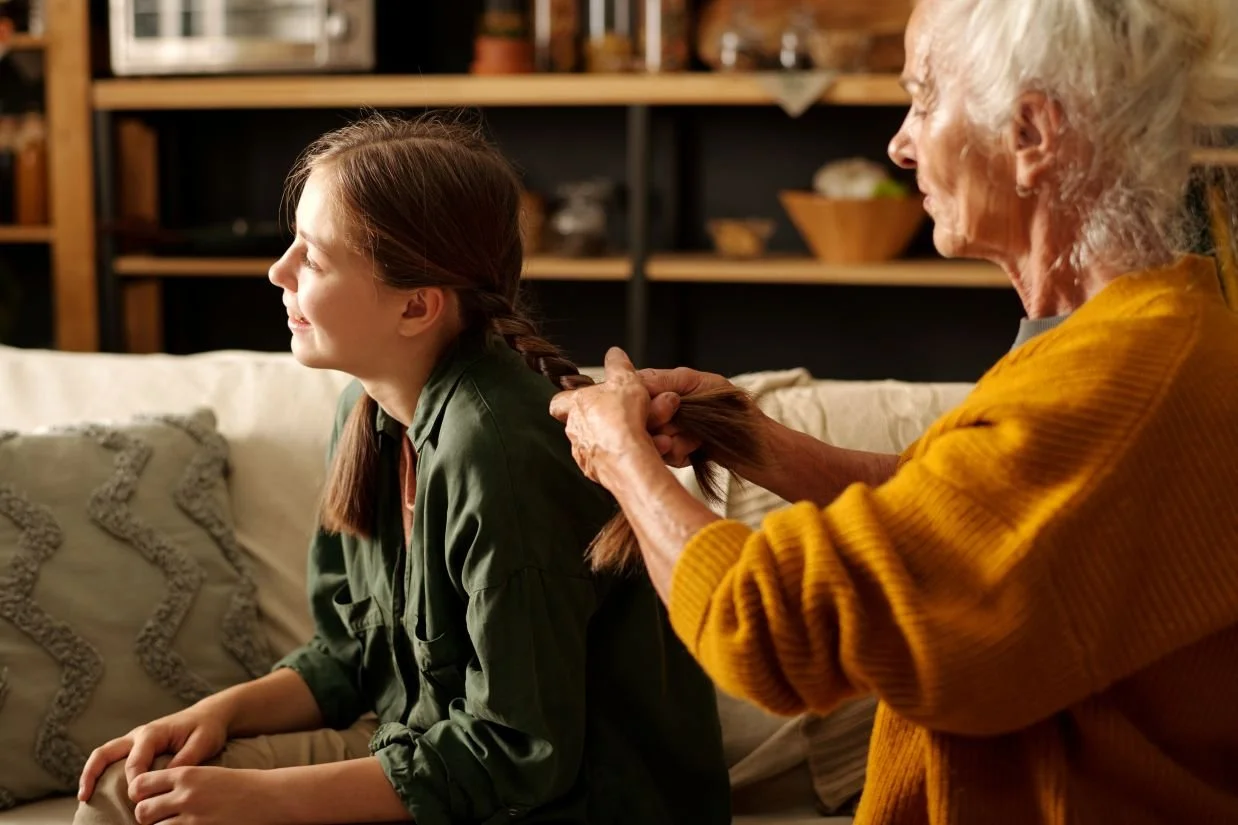
Ambiguous Loss: Grieving Someone Living With The Fluctuating Changes of Dementia
If you're supporting a family member living with dementia, you may know the strange ache of sitting across from your husband, your mum, or your aunty and feeling a wave of loss, even though they're right there in front of you. Sometimes the moments of lucidity feel just as hard, in contrast. This experience is one of the least understood forms of grief there is. It's called ambiguous loss, and this article explains what it is, why it feels so hard, and what helps, for carers and for someone living with dementia.

Sleep, Mood, and Cognitive Vulnerability in Older Age
Ask most people in later life how they are sleeping and the answer is rarely straightforward. Too light. Waking at 3am. Taking an hour to drop off. Feeling unrested despite spending eight hours in bed. Running on less than you used to. This article explains what the research tells us about sleep in older age, how it changes, why those changes matter, and what the evidence says can help.