
Upside Stories Library
Stay curious
Explore our evidence-based insights on life’s big questions, transitions, and challenges for people across midlife and beyond, and those facing these themes ahead of schedule.


Adult Children, Ageing Parents, and the Emotional Middle
Being an adult child with an ageing parent is one of the more emotionally complex positions in midlife. The research is clear that most people take on care not out of obligation, but because the relationship matters. It is also clear that the load tends to fall unevenly, often on daughters, often from a distance, and often without much acknowledgement of the toll it takes. This article draws on four peer-reviewed studies to explore the emotional reality of that position: what the evidence says about guilt, gender, relationship quality, and wellbeing, and when it might be time to talk to someone.

Anxiety That Won't Quit: Understanding Generalised Anxiety Disorder in Midlife and Later Life
"I've always been a worrier." It is one of the most common things people say in a first session, usually said lightly, and almost always as though it settles the matter. Sometimes it describes a temperament. Often it describes a treatable condition that has been carried, unnamed, for decades. This article explains what generalised anxiety disorder actually is, why it is so often missed after midlife, what tends to drive it in these decades, and what the research says helps.

Delirium, Dementia, and Depression: How to Tell the Difference
Confusion, forgetfulness and low mood can look alike in midlife and later life, but they call for very different responses. Find out how delirium, dementia and depression differ, what to watch for, and when to talk to your GP.

When Caring Becomes a Calling: Psychological Growth in Dementia Healthcare Professionals
For the nurses, doctors, chaplains, and allied health professionals who dedicate their careers to supporting people living with dementia, the rewards are genuine. So too are the challenges. This article explores psychological growth in senior health professionals working in dementia care — and what their experiences can tell us about meaning and purpose, adaptability, and what it means to truly give to another person.

The Dance of Communication: Staying connected in dementia without words
When dementia takes away speech, it can feel like connection is slipping too. But our research The Dance of Communication reveals that even without words, awareness and belonging remain.

Intensive Grandparenting: When helping Becomes a Health and Wellbeing Risk
Across Australia, grandparents are stepping up. With childcare costs at record highs and working parents stretched thin, many grandparents have moved well beyond the occasional Saturday babysit. Some are providing full-time or near-full-time care — managing school runs, meals, illnesses, school holidays, and everything in between (Baxter, 2022). This article explores the difference between enriching involvement and over-functioning — and what the research says about protecting your health and your relationships while staying connected.

From Guilty Failure to Moral Courage: How Families Living With Dementia Find Growth After Traumatic Loss
There is a particular phrase that appears again and again in the accounts of family members who have moved a family member with dementia into a care home. Not anger, not relief — though both of those are present. The phrase is simpler, and harder: I feel like I've failed. For many families, this is where the story appears to end. But a growing body of research indicates it is where something else begins.

Holding On While Letting Go: Trauma and Growth when Dementia Care moves to Residential Care
There is a moment many family carers describe in almost identical terms; a day that arrives with paperwork, practical necessity, and an ache that defies explanation. The day they hand over the care of someone they love to an unfamiliar system of aged care. For such families, the emotional meaning is rarely spoken about. Yet research suggests that within such painful experiences, something else is also possible — an unexpected capacity for growth.
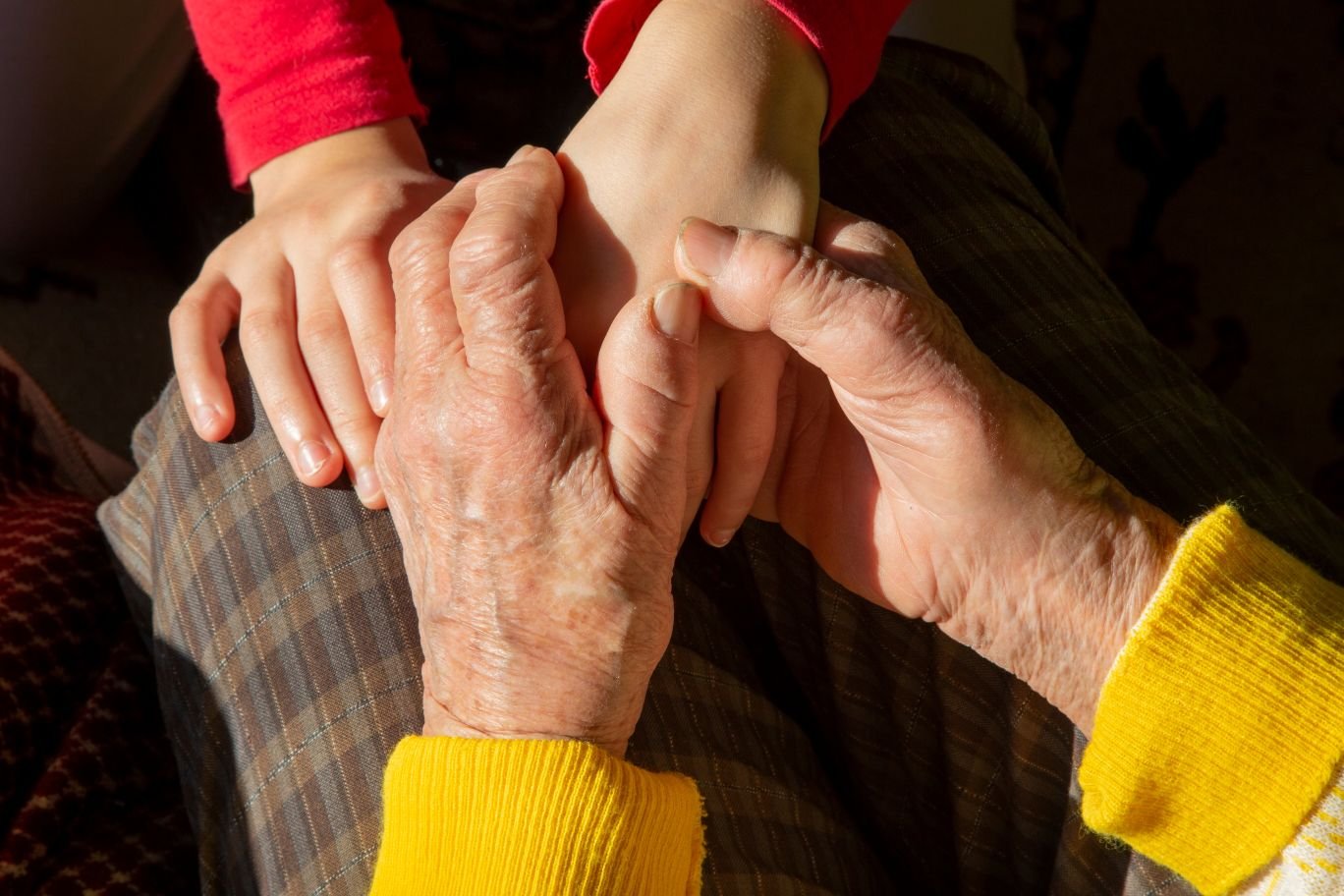
When a Diagnosis Changes a Family: Shame, Hope, Intimacy, and Growth in Families Supporting a Member Living with Dementia
For many families, supporting a member living with dementia is marked by confusion, grief, and relational loss — as friends stop visiting and some family members withdraw in distress from the person at the centre of it all. Yet research indicates that this same experience, however unwelcome, can also become a turning point for unexpected growth, deeper intimacy, and new meaning in life.