
Upside Stories Library
Stay curious
Explore our evidence-based insights on life’s big questions, transitions, and challenges for people across midlife and beyond, and those facing these themes ahead of schedule.

Will AI Reshape Your Job, or Rewrite Your Story?
AI is changing who gets to work, and how. For midlife adults, job displacement isn't just a financial shock, it's an identity crisis. Here's what psychology offers for navigating this change.
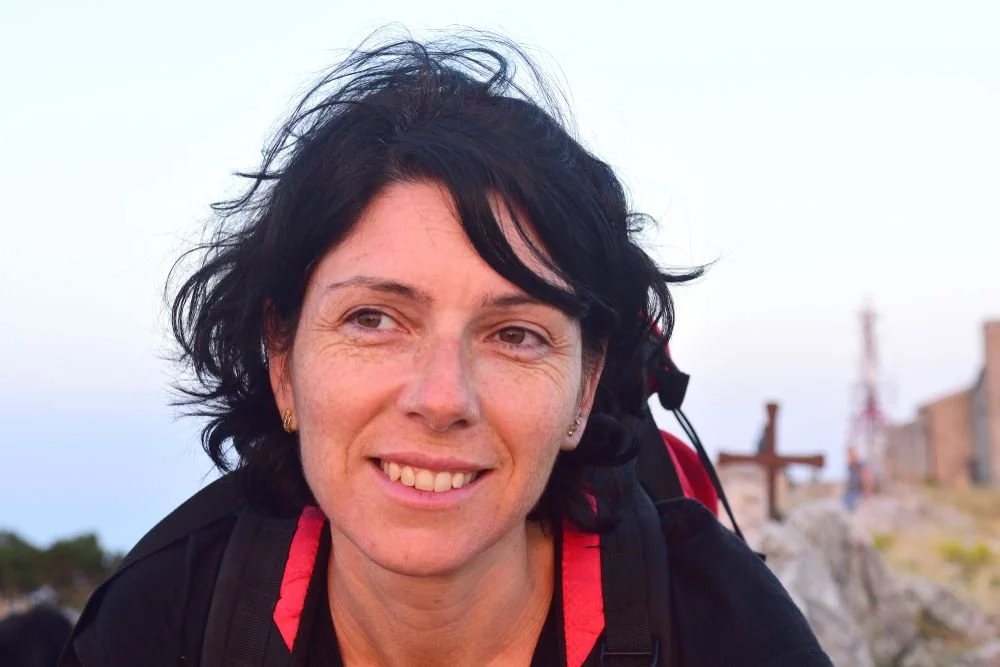
Life Review: Why Looking Back Strengthens the Present and the Future
Looking back isn't the same as being stuck in the past. Life review is an individualised yet structured, evidence-based approach that explores how you make sense of your experiences, resolve what's unfinished, and move into the next chapter with greater clarity and purpose.

When Caring Becomes a Calling: Psychological Growth in Dementia Healthcare Professionals
For the nurses, doctors, chaplains, and allied health professionals who dedicate their careers to supporting people living with dementia, the rewards are genuine. So too are the challenges. This article explores psychological growth in senior health professionals working in dementia care — and what their experiences can tell us about meaning and purpose, adaptability, and what it means to truly give to another person.

Finding unexpected growth after life changing and traumatic events
Can something good really come from something so hard? The answer, backed by decades of research, is yes — though not in the way people expect. Posttraumatic growth isn't about feeling grateful for what happened. It's about the unexpected strength, meaning, and possibility that can emerge from the struggle. This article explains what the research shows — and what it might mean for you.

From Guilty Failure to Moral Courage: How Families Living With Dementia Find Growth After Traumatic Loss
There is a particular phrase that appears again and again in the accounts of family members who have moved a family member with dementia into a care home. Not anger, not relief — though both of those are present. The phrase is simpler, and harder: I feel like I've failed. For many families, this is where the story appears to end. But a growing body of research indicates it is where something else begins.

Holding On While Letting Go: Trauma and Growth when Dementia Care moves to Residential Care
There is a moment many family carers describe in almost identical terms; a day that arrives with paperwork, practical necessity, and an ache that defies explanation. The day they hand over the care of someone they love to an unfamiliar system of aged care. For such families, the emotional meaning is rarely spoken about. Yet research suggests that within such painful experiences, something else is also possible — an unexpected capacity for growth.
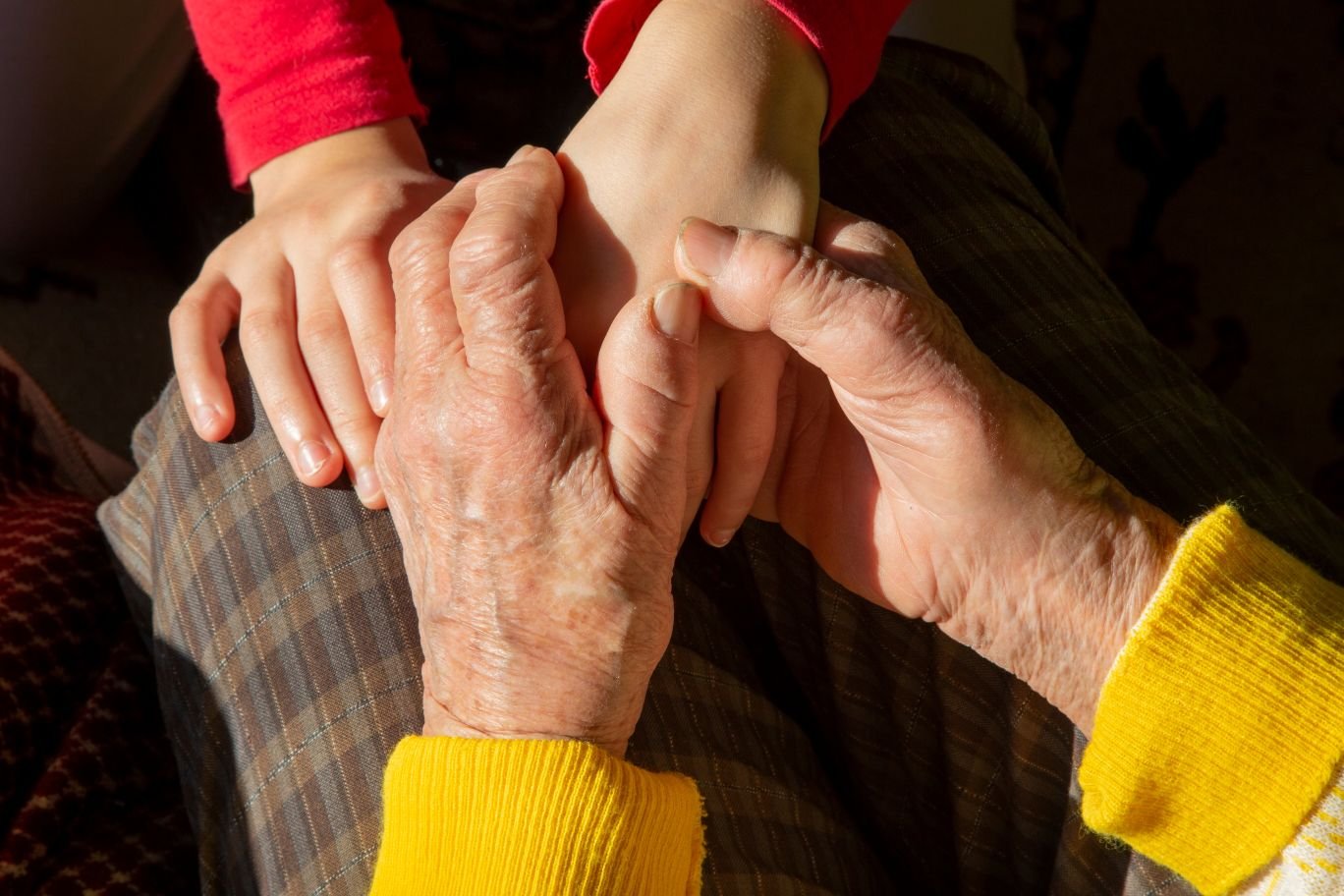
When a Diagnosis Changes a Family: Shame, Hope, Intimacy, and Growth in Families Supporting a Member Living with Dementia
For many families, supporting a member living with dementia is marked by confusion, grief, and relational loss — as friends stop visiting and some family members withdraw in distress from the person at the centre of it all. Yet research indicates that this same experience, however unwelcome, can also become a turning point for unexpected growth, deeper intimacy, and new meaning in life.

Finding Yourself Again: What Cancer Rehabilitation Teaches Us About Healing the Whole Person
The cancer journey doesn't end when treatment does, and for many Australians in midlife and beyond, what comes next can feel just as daunting as what came before.