
Upside Stories Library
Stay curious
Explore our evidence-based insights on life’s big questions, transitions, and challenges for people across midlife and beyond, and those facing these themes ahead of schedule.
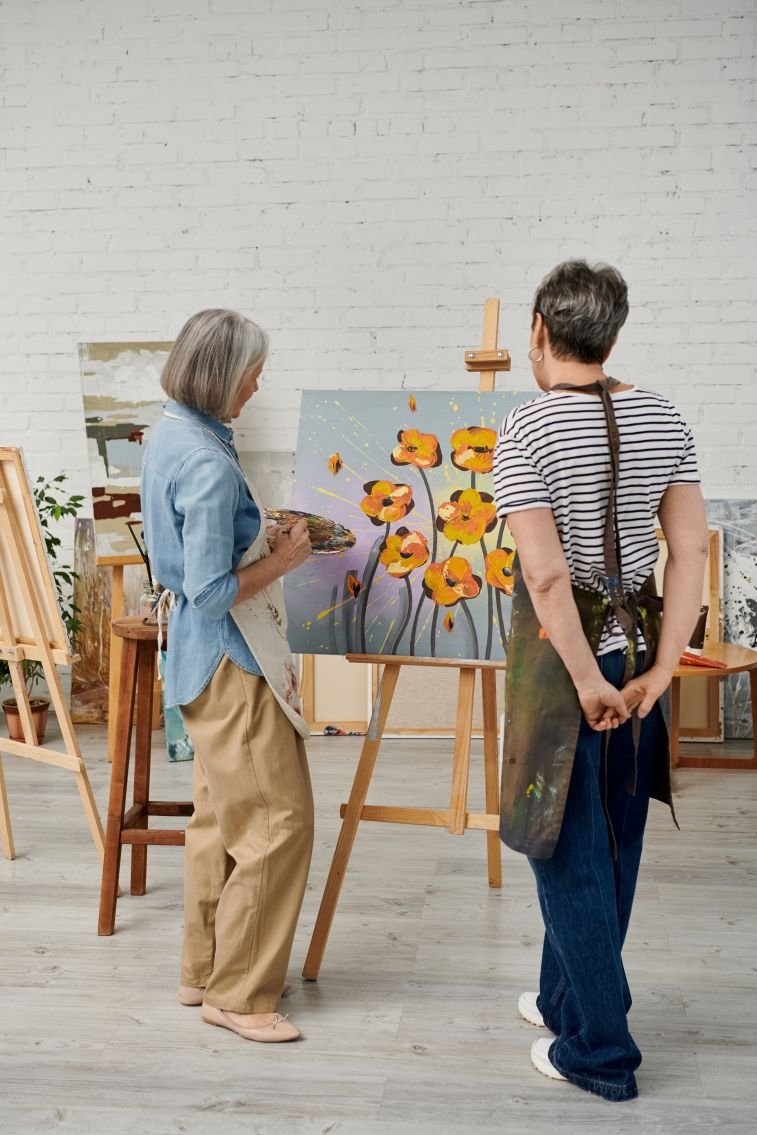
The Loneliness Few People Talk About: Building Belonging in the LGBTQIA+ Community at Midlife and Beyond
Loneliness is significantly more common among LGBTQIA+ individuals in midlife and older age than in the broader population, with rates approximately 30–49% higher than non-LGBTQIA+ peers, driven by the compounding effects of minority stress, historical marginalisation, weaker kinship ties, and exclusion from both queer and mainstream social spaces. Evidence identifies the quality and composition of social connection, particularly within LGBTQIA+-specific communities, as more protective than social quantity alone. Psychological support can also help address the internal barriers that chronic loneliness builds over time.
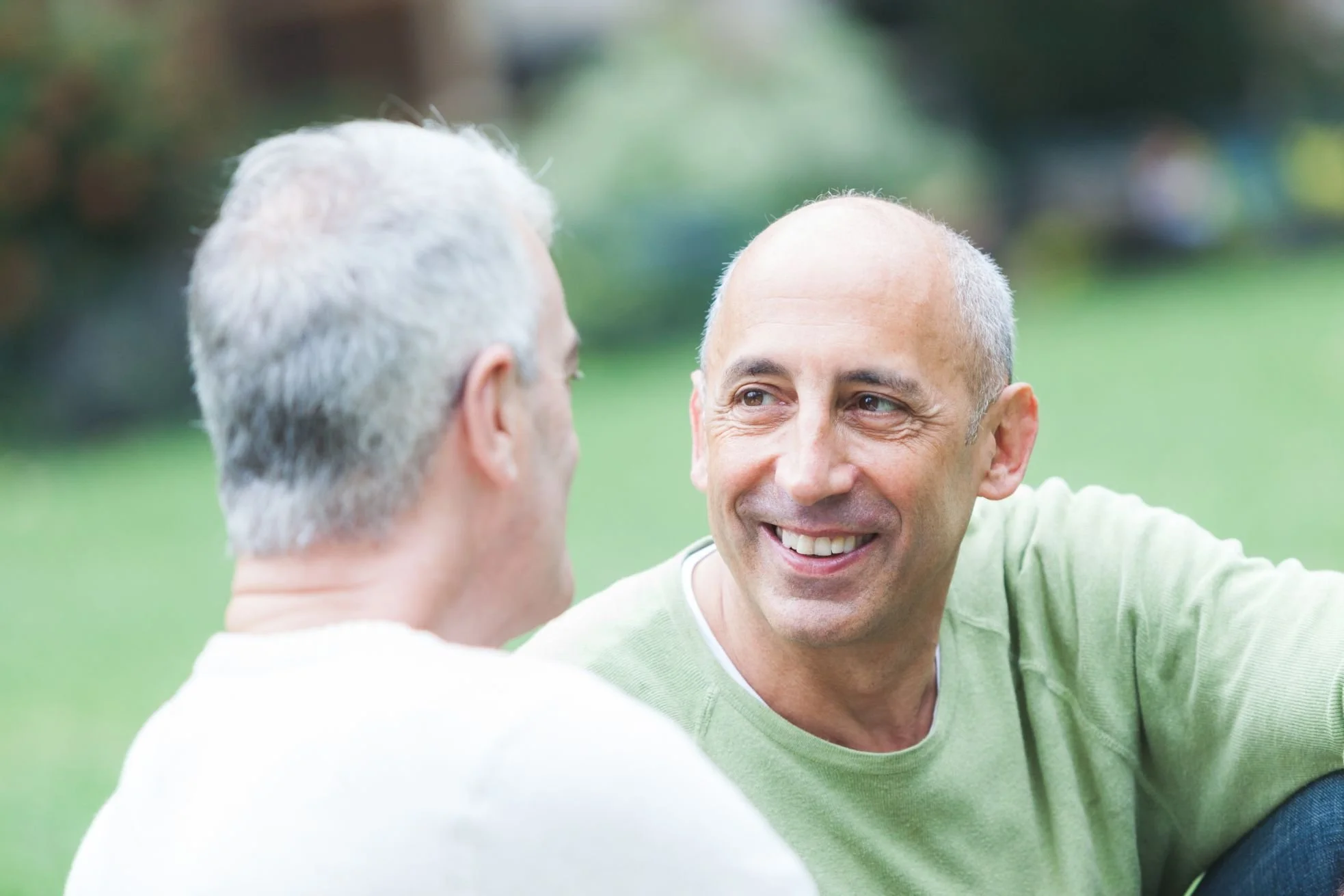
Caring for Others While Caring for Yourself: What Older LGBTQIA+ Caregivers Need to Know
Older people in the LGBTQIA+ community who care for partners, friends, or chosen family face compounded challenges beyond standard caregiver stress — including discrimination in care settings, internalised stigma, and limited legal recognition of their caregiving relationships. Research identifies physical activity, community connection, personal mastery, and affirming social support as key protective factors for their psychological wellbeing.

When Ageing Feels Like Disappearing: Understanding Gay Ageism and What Supports Wellbeing in Later Life
Internalised gay ageism or the experience of feeling devalued because of ageing within the context of a gay male identity, is a documented psychological construct associated with depressive symptoms, diminished sense of mattering, and loneliness in midlife and later life. Research identifies loneliness as the single strongest predictor of depression in older gay men, followed by ageism, internalised homophobia, and health behaviours. Protective factors include social connection within affirming communities, cultivating a sense of mattering, and psychological support that is identity-informed.

The Art of Thriving: How Older Gay Men Cultivate Psychological Wellbeing
Ageism quietly steals something from all of us; the belief that our best stories aren't behind us. For older gay men, that theft has rarely come alone. It has often arrived alongside decades of discrimination, a health crisis that dismantled a generation of friendships, and a culture that has too often treated both gayness and age as things to be managed down.
And yet, a significant body of emerging research is revealing something that upends the dominant story: many older gay men arrive at later life with psychological capacities that others spend years in therapy trying to build. Depth in relationships. Clarity about what matters. The ability to find stillness in complexity. A hard-won, unshakeable sense of self.
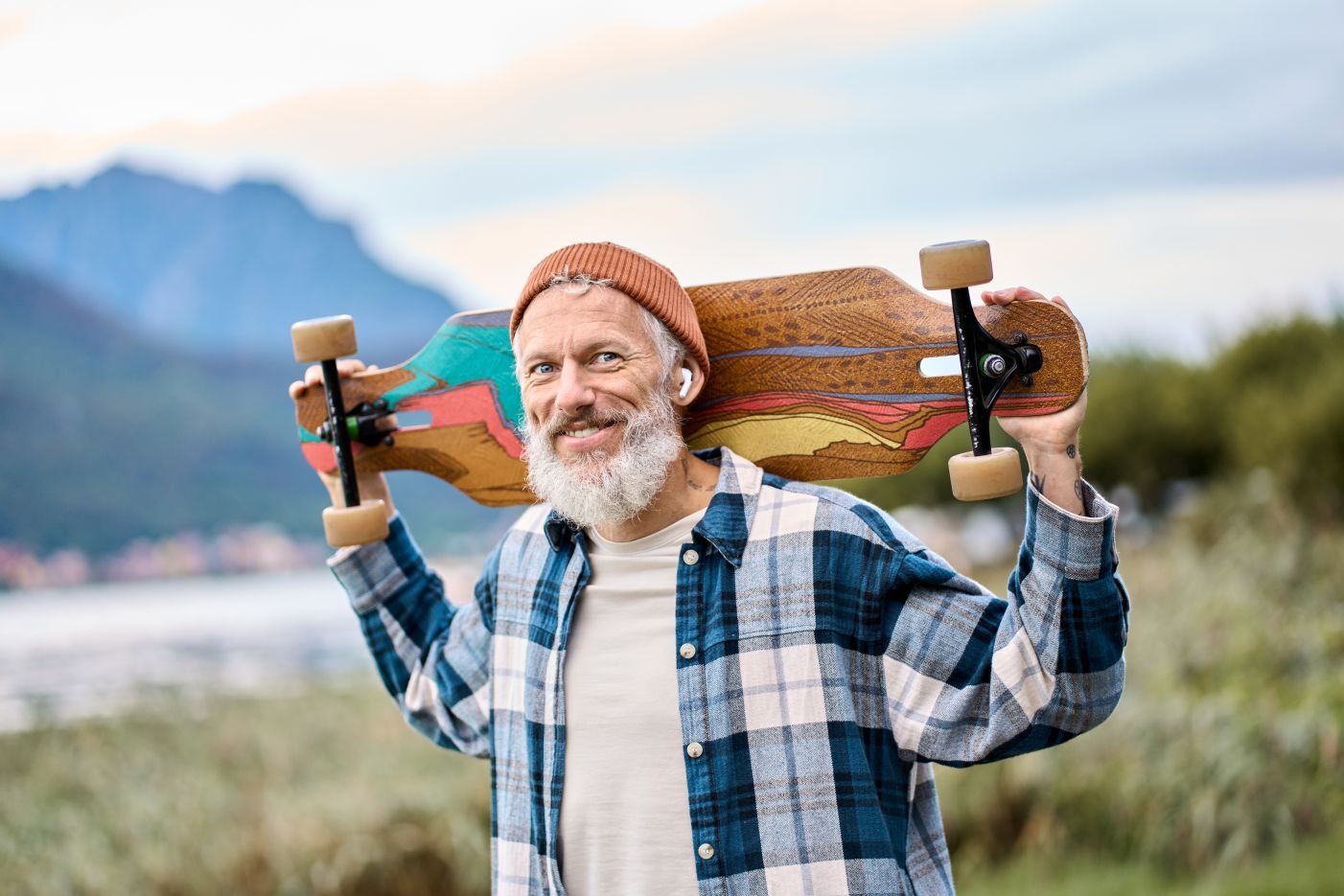
Age Is Not the Problem. Ageism Is.
Why the stories our culture tells about growing older begin shaping us long before we get there; and why it’s never too early, or too late, to push back.