
Upside Stories Library
Stay curious
Explore our evidence-based insights on life’s big questions, transitions, and challenges for people approaching midlife and beyond.

When Ageing Feels Like Disappearing: Understanding Gay Ageism and What Supports Wellbeing in Later Life
For many gay men, growing older is accompanied by a particular kind of quiet grief. It is not simply the universal experience of ageing — the grey at the temples, the shifting body, the recalibrating of life’s pace. It is something more layered: the sense that in the very community where you sought belonging, your face has slowly become one that others look past.
This experience, now examined in peer-reviewed research, has a name: ‘internalised gay ageism’. Understanding what it is, why it matters, and what psychological science says about protecting wellbeing is the focus of this article.
This is not a story about inevitable decline. It is a story about visibility, value, and the science of what it means to matter.

Age Is Not the Problem. Ageism Is.
Why the stories our culture tells about growing older begin shaping us long before we get there; and why it’s never too early, or too late, to push back.

When Caring Becomes a Calling: Psychological Growth in Dementia Healthcare Professionals
For the nurses, doctors, chaplains, and allied health professionals who dedicate their careers to supporting people living with dementia, the rewards are genuine. So too are the challenges. This article explores psychological growth in senior health professionals working in dementia care — and what their experiences can tell us about meaning and purpose, adaptability, and what it means to truly give to another person.
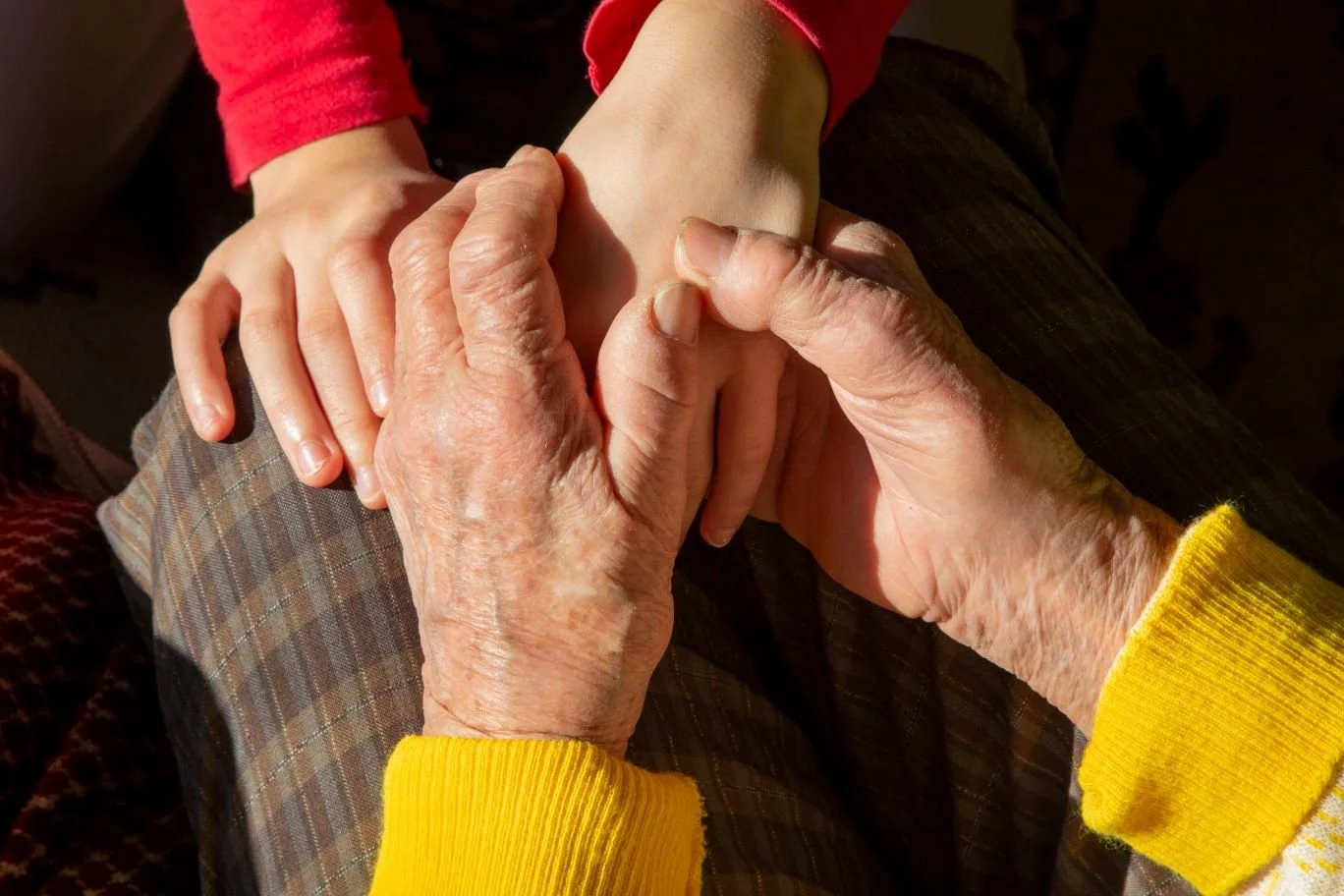
When a Diagnosis Changes a Family: Shame, Hope, Intimacy, and Growth in Families Supporting a Member Living with Dementia
For many families, supporting a member living with dementia is marked by confusion, grief, and relational loss — as friends stop visiting and some family members withdraw in distress from the person at the centre of it all. Yet research indicates that this same experience, however unwelcome, can also become a turning point for unexpected growth, deeper intimacy, and new meaning in life.

When the World Stops Seeing You: Ageism, Depression, and the Hidden Toll of Being Overlooked in Midlife and Beyond
There is a particular kind of pain that comes not from being attacked, but from being overlooked. For many Australians over 50, the experience of being rendered invisible — in workplaces, healthcare settings, media, and everyday social life — is not an abstract concern. It is a daily reality.
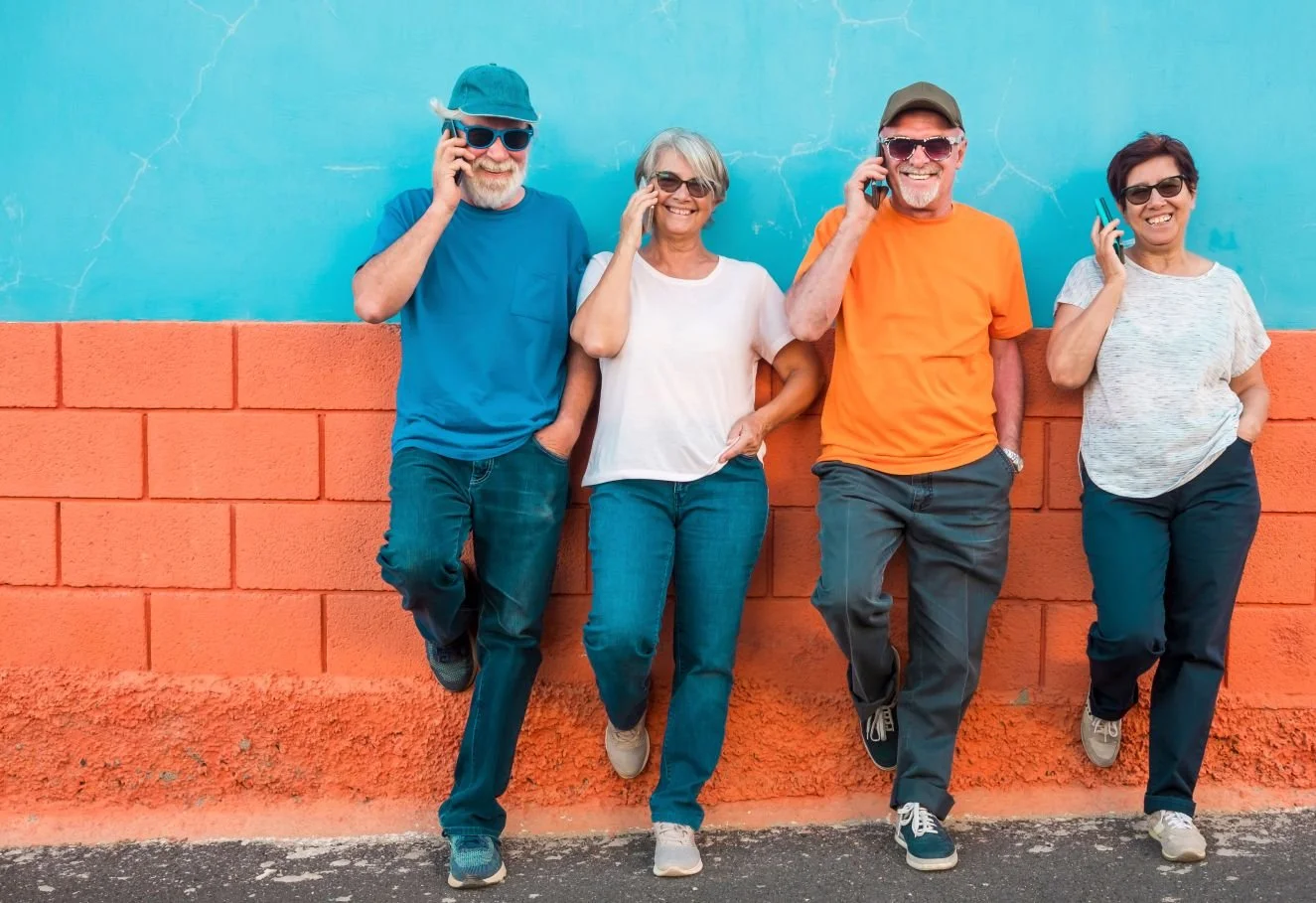
When Did Everyone Become So Disconnected? Loneliness in Midlife and Beyond
There's a particular kind of loneliness that can settle in at mid- and later-life; not the sharp loneliness of sudden loss, but something quieter and harder to name. A sense that the connections you once took for granted have slowly shifted. This article is for anyone in midlife and beyond who has wondered why connection feels harder than it used to — and what may help.

The Loneliness Few People Talk About: Building Belonging in the LGBTQIA+ Community at Midlife and Beyond
Loneliness is something everyone experiences at some point in life, whether it’s after a move, a breakup, or during major transitions like parenting, caregiving, or retirement. But for people moving through midlife and beyond in LGBTQIA+ communities, loneliness often carries an extra weight. It can feel like a familiar companion, one that has been present since long before the world found the words to name it.

The Dance of Communication: Staying connected in dementia without words
When dementia takes away speech, it can feel like connection is slipping too. But our research The Dance of Communication reveals that even without words, awareness and belonging remain.