
Upside Stories Library
Stay curious
Explore our evidence-based insights on life’s big questions, transitions, and challenges for people across midlife and beyond, and those facing these themes ahead of schedule.

Climate anxiety in midlife and older age: Why it hits different — and what you can do
Climate change is no longer a distant concern. For many of us, it’s becoming a lived reality — seen in more frequent bushfires, heatwaves, and floods like those recently devastating the Mid North Coast of NSW — and this hits many in midlife or older age especially hard. In this article we explore why it hits different and what you can do.
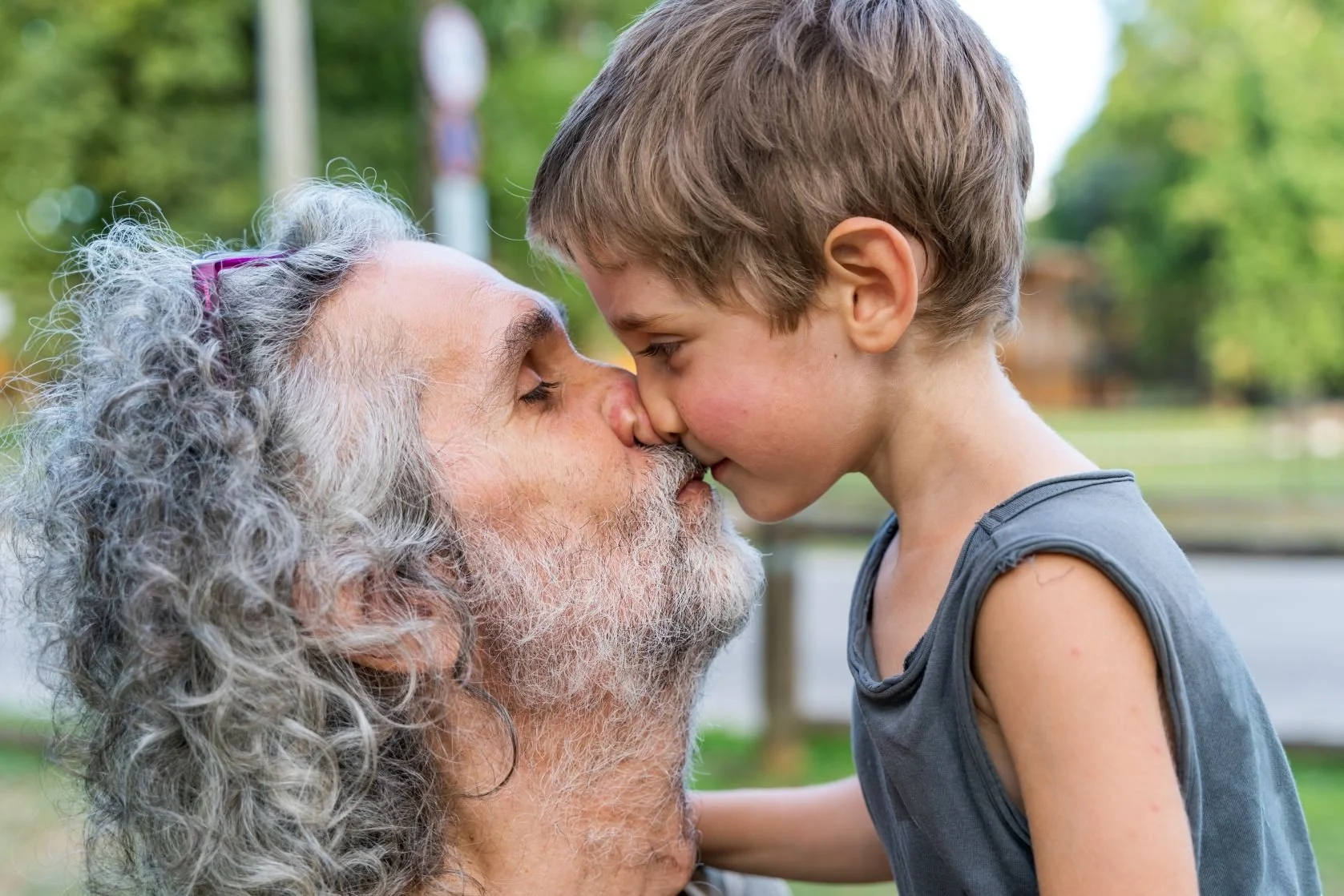
The Grandparent's Edge: How to Stay Deeply Influential in Your Grandchildren's Lives
You've raised children, weathered life's biggest plot twists, and built a store of wisdom that no parenting app can replicate. So why can it feel like the rules have changed, and no one gave you the memo?

The Loneliness Few People Talk About: Building Belonging in the LGBTQIA+ Community at Midlife and Beyond
Loneliness is significantly more common among LGBTQIA+ individuals in midlife and older age than in the broader population, with rates approximately 30–49% higher than non-LGBTQIA+ peers, driven by the compounding effects of minority stress, historical marginalisation, weaker kinship ties, and exclusion from both queer and mainstream social spaces. Evidence identifies the quality and composition of social connection, particularly within LGBTQIA+-specific communities, as more protective than social quantity alone. Psychological support can also help address the internal barriers that chronic loneliness builds over time.

Holding On While Letting Go: Trauma and Growth when Dementia Care moves to Residential Care
There is a moment many family carers describe in almost identical terms; a day that arrives with paperwork, practical necessity, and an ache that defies explanation. The day they hand over the care of someone they love to an unfamiliar system of aged care. For such families, the emotional meaning is rarely spoken about. Yet research suggests that within such painful experiences, something else is also possible — an unexpected capacity for growth.
When a Diagnosis Changes a Family: Shame, Hope, Intimacy, and Growth in Families Supporting a Member Living with Dementia
For many families, supporting a member living with dementia is marked by confusion, grief, and relational loss — as friends stop visiting and some family members withdraw in distress from the person at the centre of it all. Yet research indicates that this same experience, however unwelcome, can also become a turning point for unexpected growth, deeper intimacy, and new meaning in life.
When Did Everyone Become So Disconnected? Loneliness in Midlife and Beyond
There is a particular kind of loneliness that can settle in at midlife and beyond; not the sharp loneliness of sudden loss, but something quieter and harder to name. A sense that the connections you once took for granted have slowly shifted. This article is for anyone in midlife and beyond who has wondered why connection feels harder than it used to, and what may help.

Caring for Others While Caring for Yourself: What Older LGBTQIA+ Caregivers Need to Know
Older people in the LGBTQIA+ community who care for partners, friends, or chosen family face compounded challenges beyond standard caregiver stress — including discrimination in care settings, internalised stigma, and limited legal recognition of their caregiving relationships. Research identifies physical activity, community connection, personal mastery, and affirming social support as key protective factors for their psychological wellbeing.
Purpose and Brain Ageing: What the Research Indicates
If you’re in your 40s, 50s, or 60s and starting to notice that you’re occasionally forgetting things, misplacing things, sometimes having trouble finding words, or worrying about future memory loss, you’re not alone. Although dementia is not a normal part of ageing, age is still the greatest risk factor for dementia (World Health Organisation [WHO], 2025). But what if an increasingly well-supported protective factor for brain health isn’t found in a prescription pad, but in something much more fundamental: your sense of purpose in life?

Finding Yourself Again: What Cancer Rehabilitation Teaches Us About Healing the Whole Person
The cancer journey doesn't end when treatment does, and for many Australians in midlife and beyond, what comes next can feel just as daunting as what came before.

When Ageing Feels Like Disappearing: Understanding Gay Ageism and What Supports Wellbeing in Later Life
Internalised gay ageism or the experience of feeling devalued because of ageing within the context of a gay male identity, is a documented psychological construct associated with depressive symptoms, diminished sense of mattering, and loneliness in midlife and later life. Research identifies loneliness as the single strongest predictor of depression in older gay men, followed by ageism, internalised homophobia, and health behaviours. Protective factors include social connection within affirming communities, cultivating a sense of mattering, and psychological support that is identity-informed.